
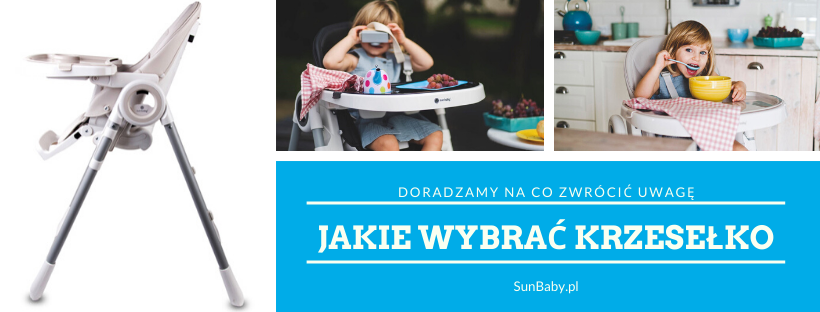
Which feeding chair should you choose for your child?
We often wonder if it's worth buying feeding tables for our children. If so, when? At what point in our children's lives? How should we choose the right table? What type of highchair should we buy that's comfortable but won't break down after a few uses? I'll answer all these questions in this article.
Problems when feeding without a highchair
It has long been known that children's chairs They are an incredible convenience for parents, because a baby who starts sitting independently and eating solid food must have its own place at the table. Unfortunately, we often encounter problems such as:
- The child's head cannot reach the table when sitting on a normal chair.
- Sitting a baby on its own legs is very uncomfortable and makes eating difficult for both us (the parents) and the baby.
- It is known that the child will stain the tablecloth, and washing it every other day is simply not cost-effective.
The answer to one question is simple: It's worth buying a highchair; it definitely makes our lives easier. We can sit our child comfortably in it, and we can have some peace and quiet, while keeping a close eye on our child.
When to buy a highchair?
It's best to start when your baby learns to sit up on their own (between 6 and 10 months of age), as this is when you can begin to develop independence, known as BLW (Baby Led Weaning). This means independent feeding, which, according to doctors, helps babies gradually become independent in their eating habits, from milk to solid foods eaten at the table. It's also important to remember that you can't force your baby to eat. You can't force a spoon into their mouth. Do this slowly and calmly, and wait until your baby understands that they need to pick up food with their upper lip. This will help them become accustomed to eating from a cutlery much faster, opening the door to even faster independent eating, and this method doesn't interfere with their speech function.
Choosing the right high chair
All that's left is to choose the seat, and there are quite a few types of such products. Here are a few examples:
- 2-in-1 feeding chair (With a table) — This means comfort for the child while eating and playing. Children love having their own little space where they can do whatever they want, where no one will yell at them and where they have complete freedom. Moreover, when the toddler becomes completely independent, the highchair/table can be separated into two separate elements, fully refining the child's seating skills. During meals, the table is placed under the highchair, acting as a booster seat. This is a very common choice among consumer preferences in the market.
- Highchair with lounger function (3 in 1) Hailed as the most comprehensive and economical solution considering its functionality and comfort. Why? Because it can be transformed into a small bouncer—a rocking chair that can make it easier, for example, to put a child to sleep. What's more, such a device can last for several years, as it's most often used with children aged six months to three years. What's more, it's durable, so it's also possible to sell it when your little one simply outgrows the chair. As they start to explore newer things, it can serve as a learning table or use toys to enhance their learning.
- Plastic feeding chair In recent years, it's been seen mainly in fast-food restaurants like McDonald's and KFC, solely to give children a place to sit and to entertain themselves. When it comes to purchasing one by parents, only 11% have purchased one in recent years. This is due to the fact that everyone is pursuing trends and increasingly modernized products, which doesn't mean that such chairs are bad or unhealthy for babies. Many people consider them simply "outdated." Nevertheless, its price is significantly different from the chairs mentioned above; it's certainly lower, which is a significant advantage.

Choosing a comfortable and functional feeding chair
Now it's time to ask how to adjust the chair so that it's comfortable and functional. The answer will consist of several points that are crucial for ensuring a child's development remains unaffected.
- The seat should stabilize the back at shoulder blade level and have an adjustable backrest. The material should be waterproof and slippery, as woolen materials get dirty very quickly and are difficult to wash. Ideally, it should have a safety harness. You can never be too careful, and at least we can be sure that our little one won't hurt themselves.
- Frame – Ideally, it's made of aluminum; it's one of the most durable materials, isn't heavy like wood, and doesn't deteriorate quickly like plastic. It's important to pay attention to its stability. It shouldn't wobble under any circumstances.
- Wheels - a very convenient means of transporting the chair from room to room, is a kind of convenience for mothers who stay at home - they do not have to carry the structure.
- Tray — A good tray must be stable, with recesses for a plate and cup. These recesses ensure food won't fall off, and they also make it easier for children to eat independently because nothing on the table shifts and stability is maintained.
How to choose a bicycle helmet for a child?
When is the right time for a balance bike?
Related posts

Safe driving for children – must-have accessories
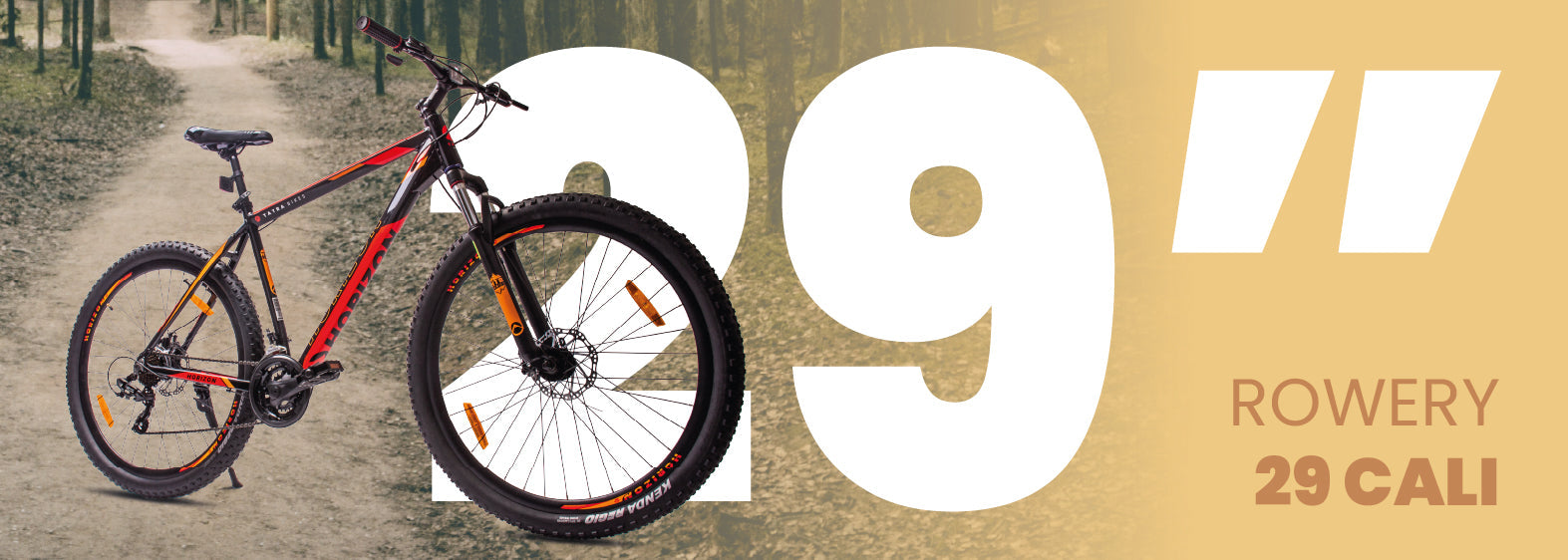
Tatra Bikes Horizon 29” – Power, control and adrenaline in every corner
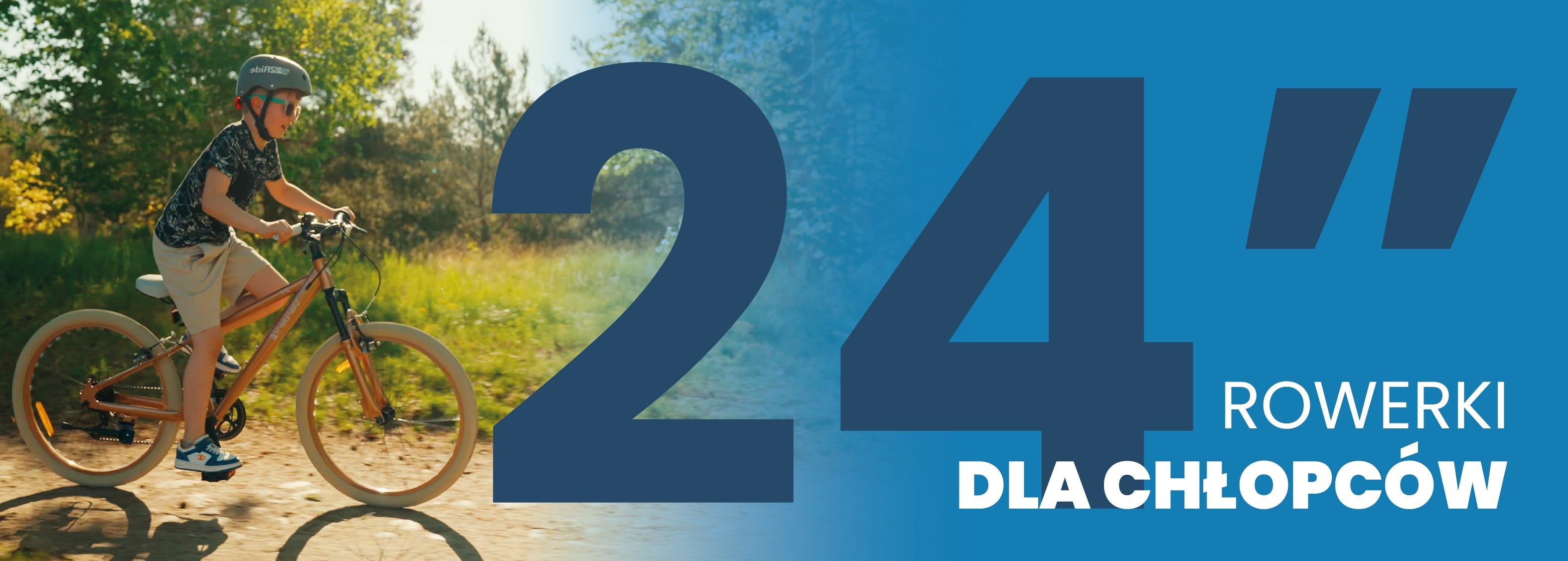
24 inch MTB bike – bigger challenges, bigger fun!

To school, to the trails, to adventures: the perfect 24″ bike for your daughter

When is the right time for a balance bike?

How to choose a bicycle helmet for a child?
